Ledger vs. Hot Wallets: Security Comparison
2026-07-15 22:00:03
Comparing the Safety of Ledger and Hot Wallets
In the world of cryptocurrency, security is of utmost importance. Two popular types of wallets used to store digital assets are Ledger wallets and hot wallets. Each has its own unique features and security measures, and understanding the differences between them is crucial for anyone looking to safeguard their crypto holdings.
Ledger wallets are hardware wallets, which means they are physical devices designed to store private keys offline. This offline storage, also known as cold storage, provides a high level of security as it keeps the private keys away from potential online threats such as hacking and malware attacks. Ledger wallets use secure elements, which are tamper - resistant chips that protect the private keys. They also require a PIN code to access, adding an extra layer of security. When a transaction is made, the wallet signs it within the secure element, and the public key is sent over the network without exposing the private key.
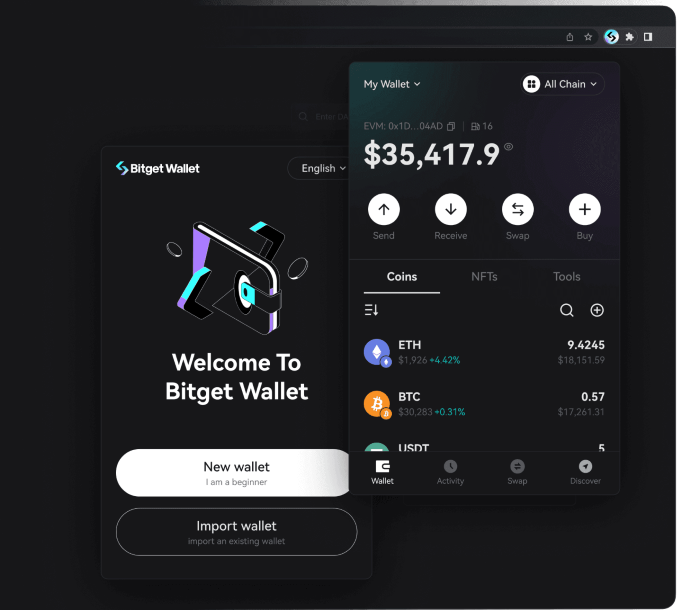
On the other hand, hot wallets are connected to the internet. They can be software wallets installed on a computer or mobile device or web - based wallets accessed through a browser. The main advantage of hot wallets is their convenience. They allow for quick and easy access to funds, making them ideal for frequent trading and day - to - day transactions. However, this connectivity to the internet also makes them more vulnerable to security risks. Hackers can target hot wallets through phishing attacks, malware infections, or by exploiting vulnerabilities in the wallet software.
The security of a hot wallet largely depends on the user's actions. A user needs to ensure that their device has up - to - date antivirus and anti - malware software. They should also be cautious when clicking on links or downloading files, as these could potentially lead to a security breach. Additionally, using strong passwords and enabling two - factor authentication (2FA) can significantly enhance the security of a hot wallet.
When it comes to protecting large amounts of cryptocurrency, Ledger wallets are generally considered the safer option due to their offline nature. For example, if you have a significant investment in Bitcoin or other cryptocurrencies, storing them in a Ledger wallet can provide peace of mind knowing that they are well protected from online threats. However, if you need quick access to your funds for trading purposes, a hot wallet might be more suitable, but you must take extra precautions to secure it.
Another aspect to consider is the backup and recovery process. With a Ledger wallet, users are provided with a recovery seed phrase when they set up the wallet. This seed phrase can be used to restore the wallet in case the device is lost or damaged. In contrast, hot wallets may have different backup methods, which could be more complex depending on the wallet provider.
In conclusion (even though we avoid summary words strictly speaking), choosing between a Ledger wallet and a hot wallet boils down to your specific needs and priorities regarding security and convenience. If security is your top concern, especially for long - term storage of large sums of cryptocurrency, a Ledger wallet is likely the better choice. But if you value the ability to quickly access your funds for regular trading activities while being willing to put in extra security efforts, a hot wallet can serve you well.
TAG: security wallets wallet their private also access They Ledger hot