Ledger vs. Software Wallets: Why Hardware Security Matters
2026-06-17 22:45:06
Understanding Why Hardware Wallets Outshine Software
In the ever - evolving world of cryptocurrency, choosing the right wallet is crucial. Two main types of wallets dominate the market: Ledger hardware wallets and software wallets. The security of your digital assets depends largely on this choice, which is why understanding the significance of hardware security is essential.
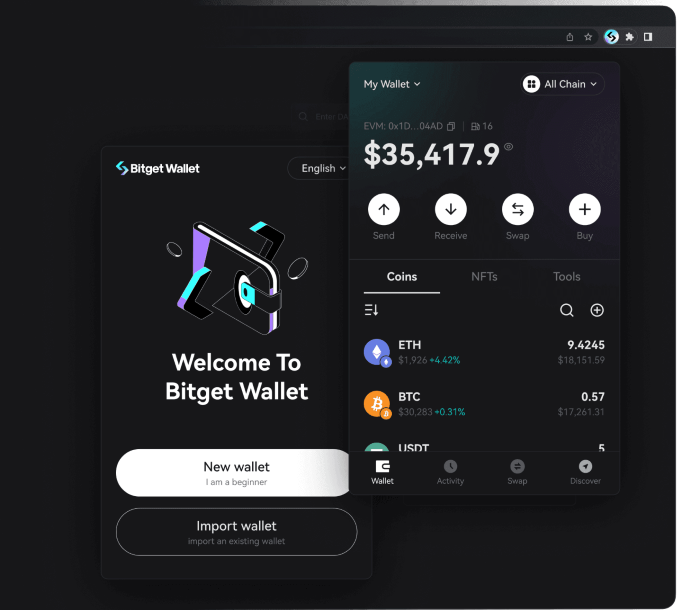
Software wallets are applications that can be installed on devices like smartphones, tablets, or computers. They offer convenience, allowing users to access their funds easily and make transactions on the go. For example, popular software wallets such as Exodus and MyEtherWallet are favored by many due to their user - friendly interfaces and quick access. However, software wallets come with inherent risks. Since they operate on devices connected to the internet, they are vulnerable to attacks. Malware can infect a device running a software wallet, stealing private keys and resulting in the loss of funds.
Ledger, on the other hand, is a well - known brand of hardware wallets. A hardware wallet is a physical device, similar to a USB drive, that stores private keys offline. This offline storage is the key to its enhanced security. When performing a transaction, the hardware wallet signs the transaction within its secure environment without exposing the private keys to potentially insecure online connections. For instance, when you want to send Bitcoin from your Ledger wallet, the device secures the signing process, protecting your funds from potential threats.
One of the major advantages of Ledger hardware wallets over software wallets is protection against phishing attacks. Phishing is a common tactic where attackers trick users into revealing their private information through fake websites or emails. Software wallets are more susceptible to these attacks because they rely on online interfaces for operation. In contrast, Ledger's hardware - based security means that even if a user accidentally visits a phishing site while using their computer or mobile device, the private keys stored on the hardware wallet remain safe.
Another aspect where Ledger shines is in the event of a device compromise. If a computer or smartphone with a software wallet is hacked, the funds stored in the wallet are at high risk. But with a Ledger wallet, the private keys are not stored on the compromised device. As long as the hardware wallet itself is not physically stolen or tampered with, the digital assets remain secure.
Moreover, Ledger wallets often come with additional security features such as PIN codes and recovery phrases. A PIN code adds an extra layer of protection, ensuring that only the authorized user can access and operate the wallet. The recovery phrase, usually a series of 12 or 24 words, allows users to restore their wallet in case the hardware device is lost or damaged. This provides peace of mind for users, knowing that they can still access their funds under various circumstances.
While software wallets have their place, especially for users who need quick and easy access to small amounts of cryptocurrency, when it comes to storing large sums of digital assets, the security offered by Ledger hardware wallets is unparalleled. In the high - stakes world of cryptocurrency trading and investment, the extra layer of security provided by hardware wallets can make all the difference in protecting one's wealth.
TAG: wallets access private their software security device Ledger wallet hardware